
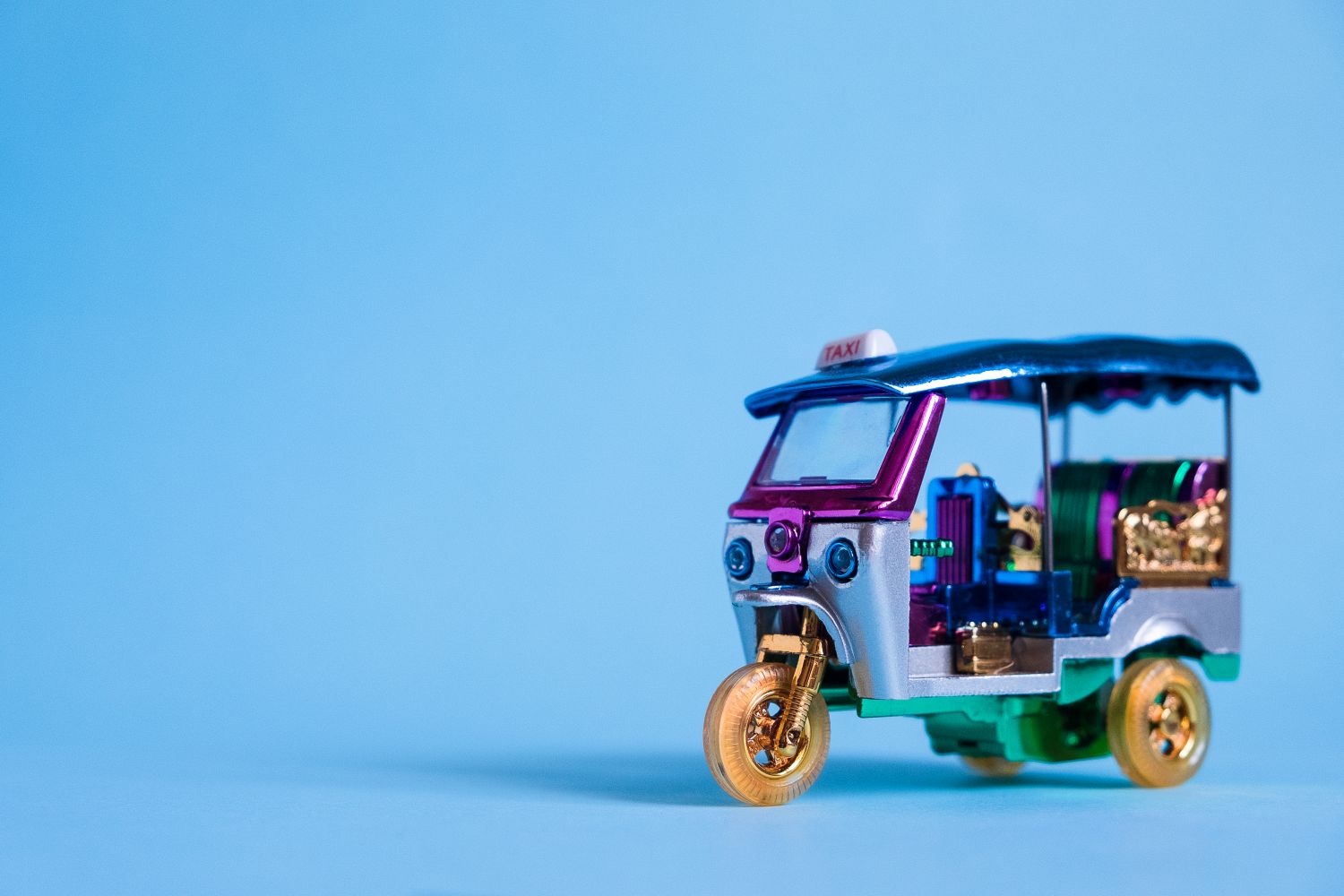
Imagine gliding through the park on a beautifully designed tricycle that perfectly balances style and functionality-all without breaking the bank. As the popularity of tricycles grows among both adults and children, understanding how to create an aesthetically pleasing and affordable model becomes essential. This article explores practical budget-setting tips, material selection, and essential design considerations, offering a comprehensive guide to crafting the ideal tricycle. Discover how to transform your vision into reality while ensuring safety and comfort.
Understanding Your Budget
Establishing a clear budget is essential for any DIY tricycle project, as it ensures that you can achieve your design objectives without exceeding financial constraints.
Setting a Realistic Budget
To establish a realistic budget for your tricycle project, it is advisable to consider costs ranging from $200 to $600, depending on the materials used and the complexity of the design.
Begin by listing the primary components necessary for the construction of your tricycle, which includes:
- The frame
- Wheels
- Pedals
- Any additional accessories
Conduct thorough research on materials, selecting aluminum or steel for their durability. Typically, the cost of frames ranges from $100 to $300. For the wheels, one should anticipate expenses of approximately $50 to $150, contingent upon size and quality. Pedal costs can vary from $20 to $50.
After compiling these costs, it is prudent to include a buffer of 10-15% to accommodate unforeseen expenses. This practice will help ensure that your budget remains realistic and adaptable.
Cost-Saving Tips
Implementing strategic cost-saving measures can result in a reduction of your tricycle design budget by up to 30% without compromising quality. To achieve these savings, it is advisable to source components from local auctions, where items such as tires and pedals are often available at significantly lower prices than retail.
Utilizing recycled materials for components like the frame not only reduces costs but also fosters sustainability. Instead of purchasing a manufactured seat, consider crafting one using basic materials, which can yield savings of approximately $50.
Additionally, purchasing in bulk is a prudent strategy; for instance, acquiring multiple tires can result in considerable discounts. Engaging with online forums to locate second-hand parts can lead to substantial savings while simultaneously supporting the community.
Choosing the Right Materials
The selection of appropriate materials is essential in the design of tricycles, as it significantly influences durability, weight, and the overall user experience.
Lightweight vs. Durable Materials
The choice between lightweight and durable materials can significantly influence the performance of a tricycle. Aluminum frames strike an excellent balance between weight and durability, typically priced between $200 and $300.
In contrast, steel frames are generally more durable and robust; however, they tend to be heavier and may rust if not adequately maintained. These frames are particularly well-suited for heavy-duty tricycles, such as those intended for commercial use, with prices generally ranging from $250 to $400.
Bamboo offers an environmentally friendly alternative, characterized by unique aesthetics and effective shock absorption. It is lighter than steel and provides a smooth riding experience, making it ideal for recreational purposes, with prices around $150 to $250.
Each material presents its own advantages and disadvantages. Therefore, it is essential to consider your intended use, weight preferences, and budget when selecting the most suitable frame.
Eco-Friendly Options
Eco-friendly materials, such as bamboo and recycled aluminum, not only mitigate environmental impact but also attract environmentally conscious consumers. To effectively design a tricycle utilizing these materials, it is essential to explore sourcing options that prioritize sustainability.
Bamboo is frequently sourced from local suppliers, which promotes lower transportation emissions and supports local economies. Recycled aluminum can be acquired from certified distributors that emphasize environmental responsibility.
Additionally, biodegradable plastics for accessories are increasingly available from specialized manufacturers committed to minimizing environmental impact.
While pricing may vary, investing in these materials can significantly enhance brand image, appealing to eco-aware customers who are willing to pay a premium for sustainable products.
Designing for Comfort and Style
In the construction of tricycles, it is imperative to prioritize both comfort and style, as this approach significantly enhances the overall user experience and aesthetic appeal.
Ergonomic Considerations
Incorporating ergonomic principles into tricycle design can significantly enhance rider comfort, ensuring that journeys are enjoyable, even during extended rides.
Key ergonomic considerations include:
- Adjustable seating positions that enable riders to find their optimal height.
- Padded seat designs; memory foam is particularly effective in providing long-term comfort.
- Handlebars that accommodate various hand sizes, thereby preventing discomfort during prolonged use.
- Attention to foot pedal positioning to ensure optimal force application while minimizing strain.
Stability features, such as a low center of gravity, greatly contribute to overall safety and comfort. Models like the Catrike Dumont and the TerraTrike Rover effectively exemplify these ergonomic characteristics.
Color and Aesthetic Choices
Aesthetic choices, including color, finish, and design patterns, are essential in attracting buyers and enhancing user satisfaction.
Color psychology has a substantial impact on consumer behavior and design decisions. For example, vibrant colors such as yellow and red tend to be more appealing for children’s products, as they promote energy and creativity.
In contrast, muted tones like grey and blue are often more appropriate for adult audiences, as they convey professionalism and calmness.
To further personalize designs, one might consider options such as removable decals or the choice between matte and glossy paint finishes. Utilizing tools like Adobe Color can assist in creating harmonious color palettes, enabling a tailored approach that effectively resonates with the target market.
Essential Components of a Tricycle
A comprehensive understanding of the essential components involved in tricycle construction is critical to achieving a well-rounded and functional design.
Frame Design
The frame design, particularly its geometry, is pivotal in determining the stability of the tricycle and the comfort of the rider.
To enhance stability, it is advisable to consider low-step frames that facilitate easy mounting and dismounting, which is especially advantageous for younger riders or individuals with limited mobility. Geometric designs that incorporate wide bases create a triangular formation, thereby providing increased stability during turns.
Moreover, materials such as aluminum offer a lightweight yet robust structure, while specific dimensions, including a 20-inch front wheel and 16-inch rear wheels, can enhance handling characteristics.
Selecting designs from reputable manufacturers such as Schwinn or Raleigh ensures a high level of quality and reliability, effectively meeting the diverse needs of users.
Wheel Selection
Selecting the appropriate wheels is crucial for optimizing the performance and usability of the tricycle across various terrains. For example, 20-inch wheels offer enhanced maneuverability, making them particularly suitable for urban environments where quick turns and efficient storage are essential. Conversely, 26-inch wheels provide improved speed and stability on rougher terrain, thus rendering them more appropriate for off-road conditions.
It is also important to consider the types of tires:
- Slick tires are ideal for paved roads,
- While knobby tires perform exceptionally well on loose or uneven surfaces.
Brands such as Schwalbe are well-regarded for their durability and grip. Therefore, aligning the wheels and tires with the intended use will significantly enhance the overall tricycle experience.
Assembly and Tools Needed
A thorough understanding of the tools and assembly processes is essential for constructing a sturdy and reliable tricycle.
Basic Tools for Assembly
A well-prepared toolkit can significantly streamline the tricycle assembly process, enhancing overall efficiency and reducing potential frustration.
Essential tools for assembling a tricycle include the following:
- An Allen wrench set ($15)
- A torque wrench ($30)
- A quality set of screwdrivers (both flat and Phillips)
- A set of pliers ($10)
- A measuring tape
These tools can be readily acquired at local hardware stores or online through platforms such as Amazon. Collectively, they enhance one’s capability to assemble the tricycle efficiently, minimizing the likelihood of misalignment or incorrect assembly.
Step-by-Step Assembly Guide
Adhering to a comprehensive step-by-step assembly guide can significantly enhance the quality of your tricycle construction while optimizing time efficiency.
- Commence with the assembly of the frame, which typically requires approximately 30 minutes.
- Subsequently, attach the wheels, allocating around 15 minutes for this step to ensure smooth functionality.
- Following the installation of the wheels, proceed to install the pedals, which should take about 10 minutes.
- Then attach the handlebars, a task that can be completed in approximately 10 minutes.
- Allocate an additional 15 minutes for thorough safety inspections, which are essential for confirming that all components are secure.
The overall assembly process is expected to take roughly 80 minutes. To improve efficiency, it is advisable to have all necessary tools readily available and to follow the outlined steps in sequence.
Testing and Safety Features
Thorough testing and the implementation of safety features are essential to ensure that the tricycle provides both an enjoyable and safe riding experience.
Conducting Safety Checks
Regular safety inspections are essential for identifying potential hazards and extending the lifespan of your tricycle. To ensure that your tricycle is safe for use, it is important to conduct the following essential checks on a regular basis:
- Verify the functionality of the brakes, ensuring that both the front and rear brakes engage properly.
- Assess wheel alignment by spinning the wheels; they should rotate freely without any wobbling.
- Examine the frame for any cracks or dents that could compromise stability.
- Confirm the security of the seat by tightening screws and checking for any movement.
By performing these checks on a monthly basis, you can maintain optimal performance and safety, enabling you to address any issues before they escalate into significant problems.
Improving Stability and Control
Enhancing stability and control can significantly improve the riding experience, making it both enjoyable and safe for users.
To improve stability on tricycles, the following specific features should be considered:
- Models with a lowered frame design are advantageous, as they bring the center of gravity closer to the ground. The Schwinn Roadster, for instance, is recognized for this design and is well-regarded for its balance.
- A wider wheelbase, such as that found on the Radio Flyer trike, enhances stability during turns.
- Selecting tricycles equipped with high-quality tires, like those on the Big Wheel, provides better grip on various surfaces.
Integrating these elements will result in a more stable and controlled riding experience.
Tags: Tricycle